In short
- Level-matched checking: Diffonic
- All-in-one AI suite: iZotope Ozone 12
- Limiter: FabFilter Pro-L 2
- Bus glue: Anodyn
- Loudness control: Lufsonic
- Analog color: Anadrive
- Free: Youlean Loudness Meter
Mastering in 2027: the loudness war is over
With streaming normalization everywhere, a master that is too loud is no longer an advantage: it simply gets turned down, and then sounds more squashed than everything else. In 2027 the goal is not to be the loudest, but the densest, clearest and most musical at the level the platforms will play it anyway.
Two families of tools dominate: AI-assisted suites that suggest a starting chain, and control tools that let you check every decision objectively.
A typical mastering chain
| Stage | Role | Tool |
|---|---|---|
| Corrective EQ | Tonal balance | Ozone 12 or Pro-Q 4 |
| Bus compression | Cohesion, 1–2 dB | Anodyn |
| Color | Density, harmonics | Anadrive (TAPE or CONSOLE) |
| Limiter | Final level, true peak | Pro-L 2 or Ozone |
| Control | Loudness and true peak of delivered files | Lufsonic |
| Checking | Before / after at equal loudness | Diffonic |
The 7 best mastering plugins for 2027
1. Diffonic: the tool that keeps you from fooling yourself
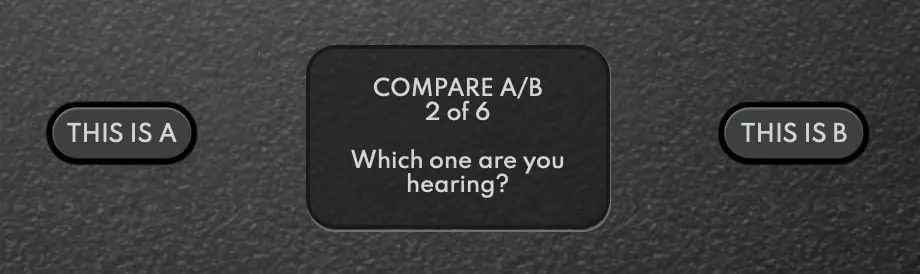
The number one mastering trap: every process raises the level a little, and a louder version always seems better. Diffonic removes that bias. It automatically matches the loudness (LUFS) of two signals, for example the original mix and the master, then offers a 6-step blind test where A and B swap every round.
It gives the most honest answer to the only question that matters: "is my master really better?". It also lets you compare a master to a commercial reference without being fooled by the level difference.

Diffonic
Find out if a change really sounds better: level-matched A/B and blind test.
$29 $58 -50%
VST3 · AU · AAX · Windows & macOS
See Diffonic2. iZotope Ozone 12: the reference suite
The most complete suite on the market: an assistant analyzes the mix and suggests a starting chain, with modules such as Stem EQ, Bass Control, Unlimiter and the IRC 5 maximizer. Ideal for getting started fast; the result benefits from fine-tuning by ear.
3. FabFilter Pro-L 2: the transparent limiter
Several limiting algorithms, built-in loudness metering and remarkable transparency even at high levels. A standard in mastering studios.
4. Anodyn: glue for the master bus
On a master you want 1 to 2 dB of compression that glues without being heard. Anodyn is ideal for it: CHARACTER at minimum for transparency, or a bit higher for a gentle color; SMOOTH mode for a natural response; a sidechain EQ so the low end doesn't make the whole mix pump; and an adjustable stereo link to keep the stereo image steady.
5. Lufsonic: final control of your files
Once the master is exported, Lufsonic analyzes files in seconds without real-time playback: integrated, short-term and momentary loudness, LRA and true peak. It also normalizes a whole album to a target (streaming, EBU R128, podcast…). Perfect for delivering compliant files. See the best LUFS tools for 2027.
6. Anadrive: a touch of analog color
In mastering, saturation is measured in millimeters. The TAPE and SOFT modes of Anadrive, the CONSOLE section and the MIX control add density and warmth without harshness, while CLEAN BASS keeps the low end tight.
7. Youlean Loudness Meter: the best free meter
The most widely used free meter for monitoring loudness while mastering. Clear, reliable, with presets per platform.
2027 verdict
A great master in 2027 is one that sounds better, not louder. Ozone 12 and Pro-L 2 do the heavy lifting, Anodyn and Anadrive bring cohesion and color, Lufsonic guarantees compliant files, and Diffonic confirms, at equal loudness, that every step really improves the sound.
Frequently asked questions
What is the best mastering plugin in 2027?
For an all-in-one suite, iZotope Ozone 12 remains the reference with its AI assistant. But the most underrated tool is level-matched comparison: Diffonic matches the loudness of before and after so you can check the master is really better, not just louder.
What level should you master to for streaming in 2027?
Platforms normalize around -14 LUFS (Spotify, YouTube) and -16 LUFS (Apple Music). A louder master gets turned down. Aim for a master that sounds great at those levels, with true peak below -1 dBTP.
Do you need a compressor on the master bus?
Often yes, with 1 to 2 dB of gain reduction and a slow attack to glue the mix. A versatile compressor like Anodyn lets you choose between transparency and color.
Can you master with AI alone?
Assistants give a good starting point, but they don't know what you want to hear. Checking every decision by ear, at equal loudness, is still essential.