At a glance
- Transparent reference: FabFilter Pro-L 2
- Inside a mastering suite: iZotope Ozone Maximizer
- Multiband limiting: DMG Audio Limitless
- Free and complete: TDR Limiter 6 GE
- Free and simple: LoudMax
- Checking exported files: Lufsonic
- Is louder really better? Diffonic
Limiting in 2027: density, not volume
Streaming platforms normalize loudness: a very loud master is simply turned down, and then it sounds flatter than the others. The limiter's job has changed. It's no longer about winning a loudness war, but about controlling peaks, adding a little density and delivering files that stay clean after conversion. A good limiter does that without you noticing it's there.
The best limiter plugins for 2027
1. FabFilter Pro-L 2: the transparent reference
Several limiting algorithms for different material, true-peak limiting, oversampling and very complete loudness metering. It stays remarkably clean even when pushed, which is why it's a standard in mastering studios.
2. iZotope Ozone Maximizer: the suite option
Ozone's Maximizer offers several IRC limiting modes and works hand in hand with the rest of the suite (EQ, imaging, dynamics). Ideal if you want the whole mastering chain in one place.
3. DMG Audio Limitless: multiband control
A very flexible limiter that can work per frequency band, useful when the low end drives the limiter too hard. More technical, but extremely precise.
4. TDR Limiter 6 GE: free and complete
Several stages in one plugin (compression, peak limiting, clipping) with clear metering. The free version is already enough for many projects.
5. LoudMax: free and simple
Two sliders, clean results. A good choice for demos and quick bounces.
After the limiter: check, don't guess
A limiter changes two things at once: the sound and the level. To know if your master is really better, compare it with the unlimited mix at the same loudness. Diffonic does exactly that, with automatic LUFS matching and a blind test where A and B swap after each answer.
Then check the files you actually deliver. Lufsonic analyzes exported files without real-time playback: integrated, short-term and momentary loudness, LRA and true peak. It can also normalize a whole album to a target (streaming, podcast, broadcast) and export a report.
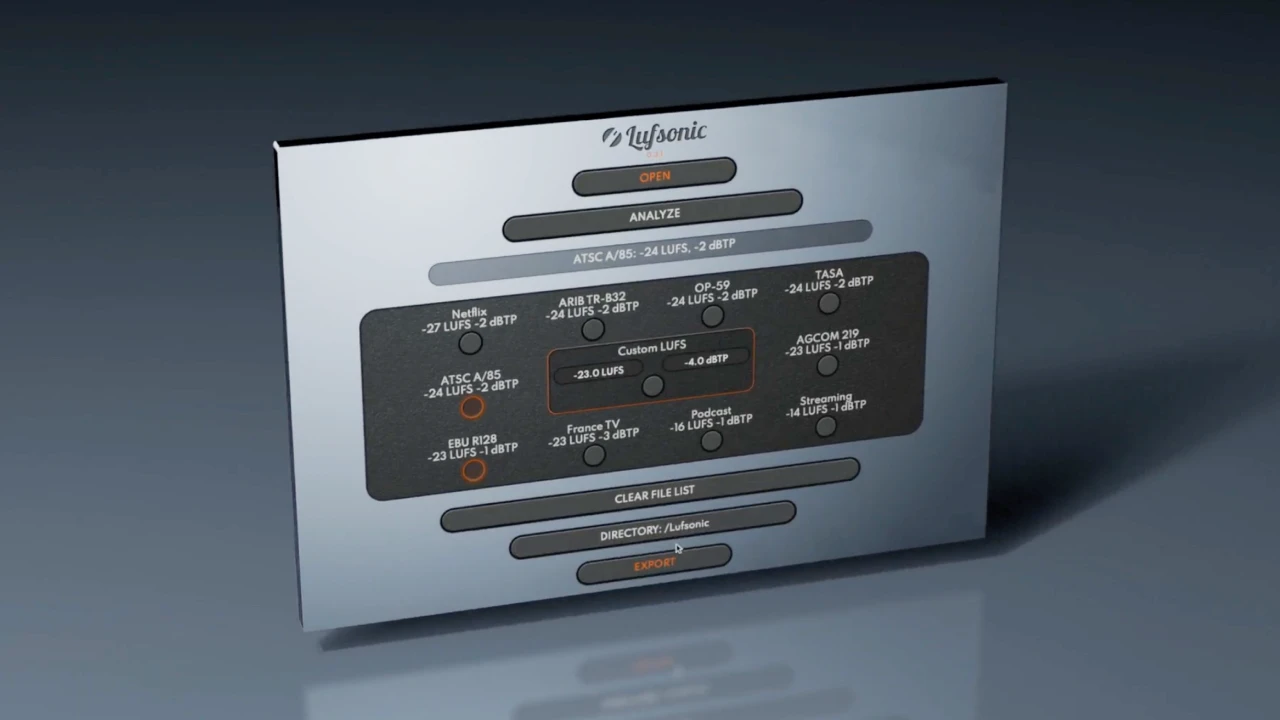
Lufsonic
Analyze and normalize dozens of audio files in seconds.
$49 $98 -50%
Standalone app · Windows & macOS
See LufsonicStarting points
| Use | Gain reduction | Ceiling |
|---|---|---|
| Streaming master | 1–4 dB on peaks | -1 dBTP |
| Club / electronic | 3–6 dB, watch the kick | -1 dBTP |
| Acoustic, jazz | 0–2 dB | -1 dBTP |
| Podcast | Light, after leveling | -1 dBTP |
If the kick or snare loses its punch, back off the limiter or tame the low end earlier in the chain. For the targets of each platform, see our guide to loudness tools.
2027 verdict
Pro-L 2 for transparency, Ozone for an all-in-one chain, Limitless for multiband control and TDR Limiter 6 GE or LoudMax for free. Whatever you use, compare at matched loudness with Diffonic and check your final files with Lufsonic: that's how you deliver masters that are dense, clean and ready for every platform. See also the best mastering plugins of 2027.
Frequently asked questions
What is the best limiter plugin in 2027?
FabFilter Pro-L 2 is the reference for transparency, true-peak control and metering. iZotope Ozone's Maximizer is excellent inside a full mastering suite, and TDR Limiter 6 GE has a very capable free version.
How loud should I limit for streaming?
Most platforms play music around -14 LUFS and turn louder tracks down. Limit for density and peak control, keep true peak under about -1 dBTP, and check the result at matched loudness rather than pushing for maximum level.
Is a free limiter good enough?
For demos and many releases, yes: TDR Limiter 6 GE and LoudMax are clean and reliable. Paid limiters bring more algorithms, better metering and more transparency at high levels.